Thank you for sending your enquiry! One of our team members will contact you shortly.
Thank you for sending your booking! One of our team members will contact you shortly.
Duration 28 hours
Course Outline
Introduction to VR and AR
- Definitions and distinctions between VR and AR.
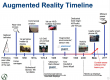
- Historical development and evolution.
- Current trends and future perspectives.
- Overview of use cases across various sectors.
- Benefits and challenges associated with VR/AR adoption.
Hardware and Software for VR/AR
- VR headsets, AR glasses, and other hardware components.
- Development platforms and software tools for VR/AR.
- Comparison of leading VR/AR systems.
VR/AR Applications in Automation
- Training and simulation scenarios.
- Maintenance and troubleshooting support.
- Process monitoring and control.
- Design and prototyping.
VR Development Tools
- Unity and Unreal Engine.
- VR SDKs and APIs.
- 3D modeling and simulation software.
AR Development Tools
- ARKit, ARCore, and Vuforia.
- Mobile AR development platforms.
- Marker-based and markerless AR technologies.
Integration with Automation Systems
- Connecting VR/AR with PLCs, SCADA, and DCS.
- Data visualization and interaction methods.
User Experience and Interface Design
- Principles of VR/AR UX/UI design.
- Ergonomics and user comfort considerations.
- Interaction models and input devices.
Prototyping and Development
- Creating VR/AR prototypes.
- Iterative development and testing processes.
- Debugging and optimization techniques.
Project Management
- Planning and managing VR/AR projects.
- Collaboration and team roles.
- Budgeting and resource allocation.
VR Training Simulator
- Developing a VR training environment for industrial operations.
- Simulating real-world scenarios and emergency situations.
AR Maintenance Application
- Creating an AR app for equipment maintenance and troubleshooting.
- Integrating real-time data and interactive guides.
Process Monitoring with VR/AR
- Designing a VR/AR interface for real-time process monitoring.
- Visualizing data from automation systems in a virtual/augmented environment.
Next-Generation VR/AR Technologies
- Advances in hardware and software.
- Potential future applications in automation.
AI and Machine Learning in VR/AR
- Enhancing VR/AR experiences with AI.
- Predictive maintenance and intelligent automation.
Ethical and Safety Considerations
- Ensuring safety in VR/AR applications.
- Addressing ethical concerns and data privacy.
Summary and Next Steps
Requirements
- Basic understanding of automation and control systems.
- Familiarity with industrial processes and technologies.
Target Audience
- Automation engineers.
- Industrial engineers.
- Systems integrators.
- Robotics engineers.